
Honkai: Star Rail in 2026: A First-Person Retrospective on the Astral Express
Honkai: Star Rail is a polished turn-based RPG with stage-based exploration, a gacha economy, and Trailblaze Level pacing.
When I first stepped onto the Astral Express, I expected a Genshin-shaped open world with a Honkai coat of paint. What I found in Honkai: Star Rail was a different animal: a turn-based RPG that treats exploration as a series of curated stages rather than a sprawling sandbox. In 2026, with the launch-window hype long settled and the game’s regular update schedule having turned its story into a long-running serial, I still think the core pitch holds. The game is now available across PC, mobile, and PlayStation, and it remains a familiar Hoyoverse experience for veterans of Genshin Impact or Honkai Impact 3rd, yet one that marks itself out as entirely different.
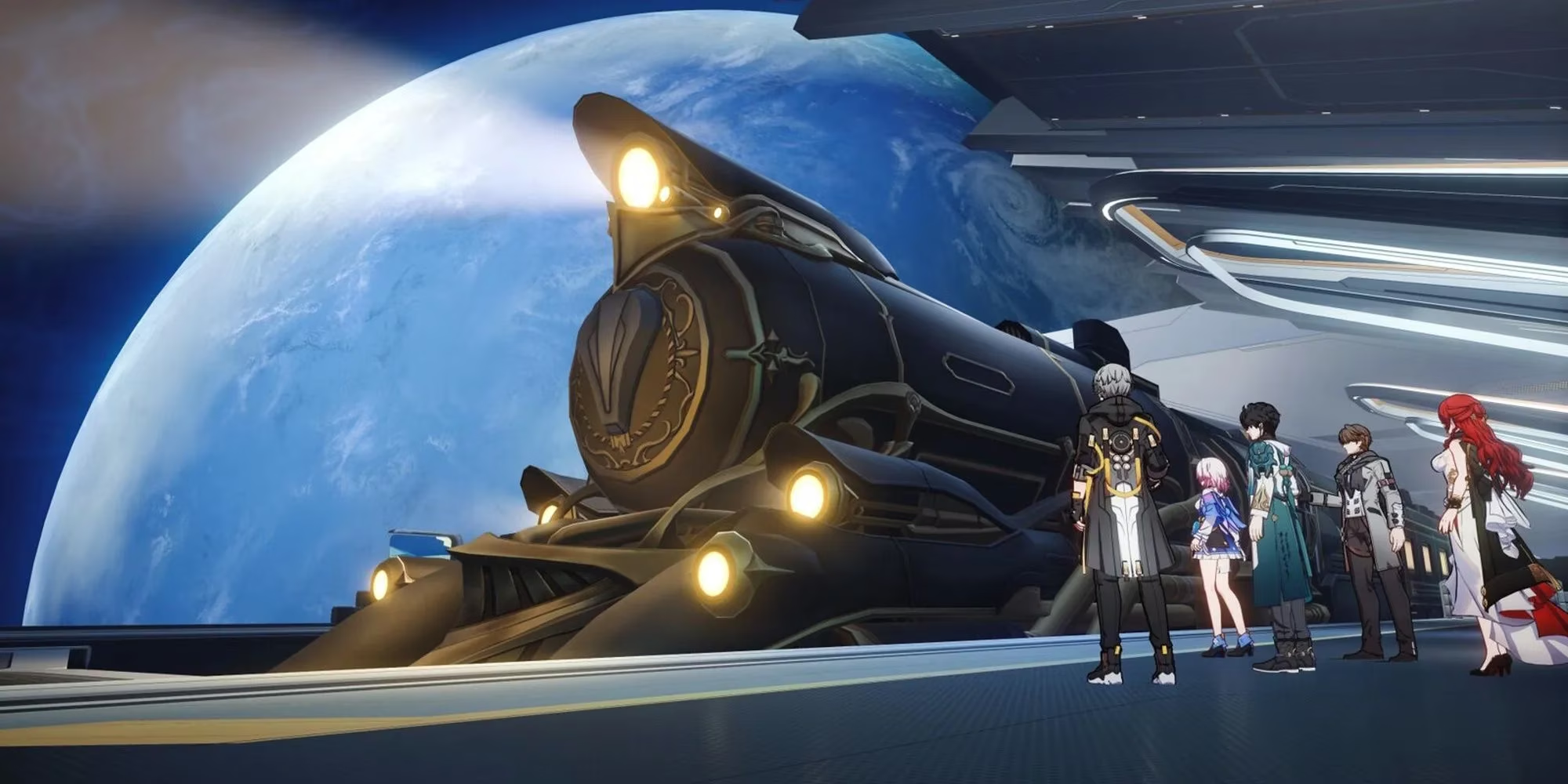
The two biggest changes are still the ones that matter most to me. First, the turn-based combat system is a decisive break from Genshin’s real-time action, and I am hugely in favor of it. Second, the shift from an open world to large but limited areas gives each planet a stage-like focus; Santi Leguiza praised that change in the launch review, and I share the view. The result is a game that feels like a familiar Hoyoverse product without feeling like a copy-paste job.
The catch is pacing. Progress is limited at times by Trailblaze Level, the equivalent of Genshin’s Adventure Rank. Certain main-story battles require a specific Trailblaze Level, so you need to engage with side quests, domain runs, and dailies to move forward. The Trailblaze Level gate is like a customs officer who stamps your passport only after you have run a few errands in town. It is not brutal, but it does mean the main narrative is rarely a straight line.
Time expenditure: the launch math and the 2026 reality
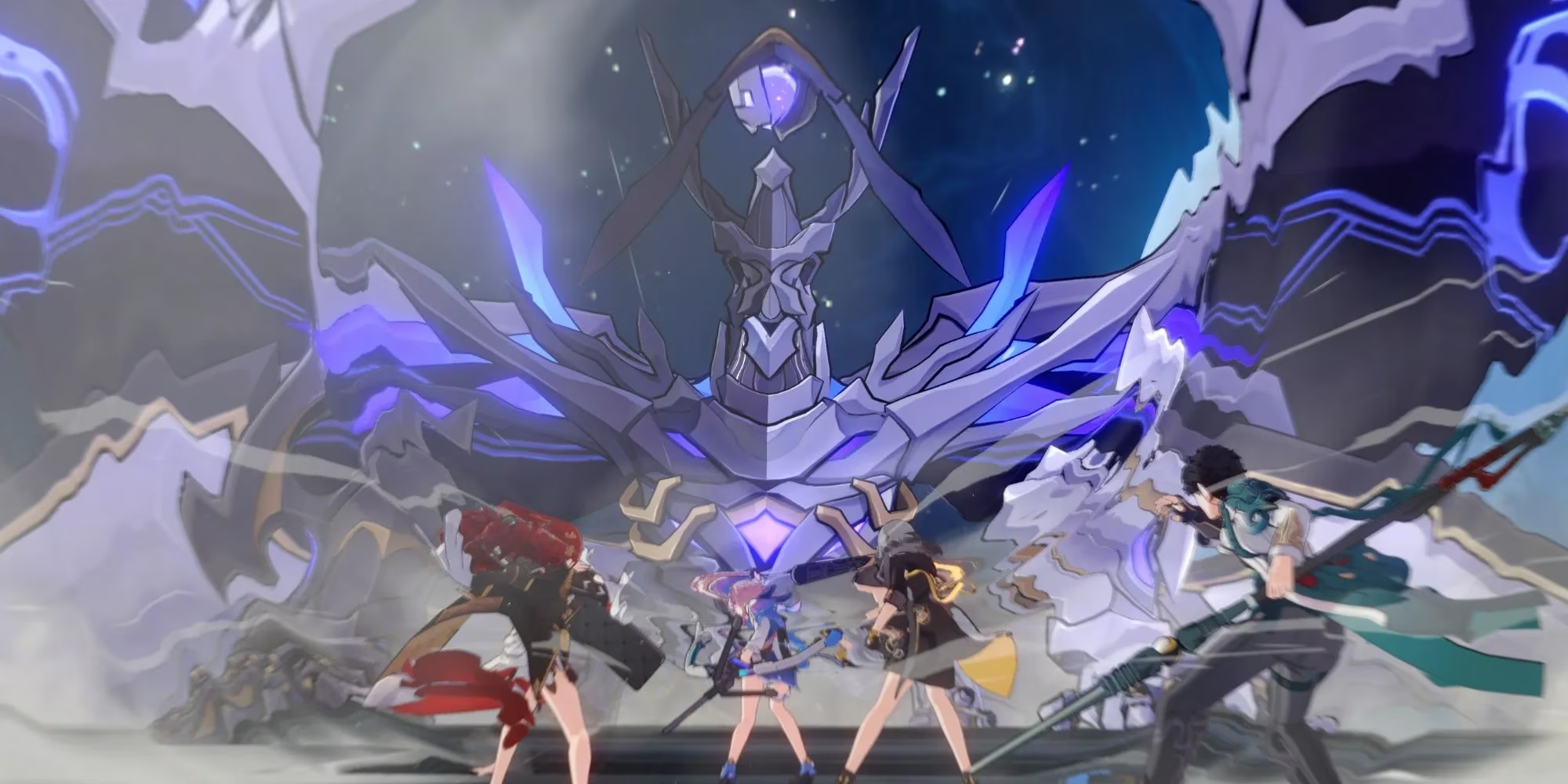
At launch, How Long To Beat listed 16 hours for the main story and 46 hours for the main story plus sides. Because of the gating, I would put the primary narrative closer to 20 hours if you include the extra content needed to keep your Trailblaze Level up. In 2026, I treat those numbers as a baseline, not a ceiling: the regular update schedule has expanded the story, but the rhythm remains the same. Every day there are new daily tasks, though they are limited; each area has side quests; and several domain types exist for grinding character and item materials. Most domains are limited by Trailblaze Powder, a regenerating currency traded for rewards.
The gacha economy: generous at the door, a velvet rope later
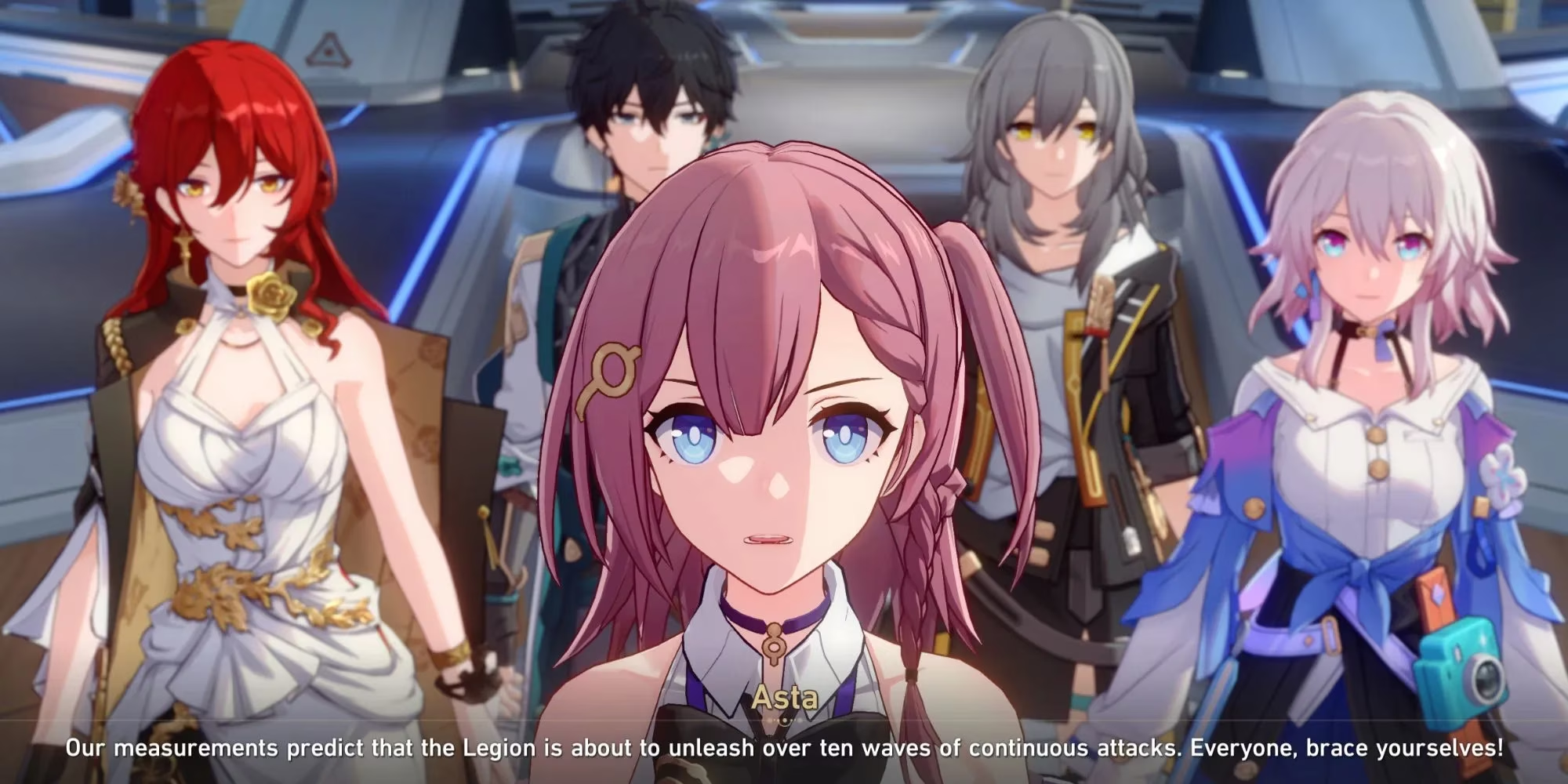
The primary currency is Stellar Jade, earned through quests, events, and domains. It buys Warp Tickets for Warps on limited-time and permanent banners for characters and Light Cones, the equivalent of weapons. Especially at the beginning, there appears to be an abundance of ways to earn Stellar Jade. You also receive a bonus five-star standard character once you have made 300 warps on the regular warp banner. The gacha economy is a velvet rope: the free-flowing Stellar Jade at the door feels generous, but the rope never disappears.
Real money comes through Oneiric Pouch currency. The Express Supply Pass costs $4.99 and rewards 300 Oneiric Shards plus 90 Stellar Jade each day for 30 days, for a total of 2700 Stellar Jade if you log in daily. Assuming you also convert the Shards, that equates to 18.75 wishes. In my view it is the best value by far.
| Oneiric Shard bundle | Total Shards | Cost | Approx. Warps |
|---|---|---|---|
| 60 | 120 | $0.99 | 0.70 |
| 300 | 600 | $4.99 | 3.75 |
| 980 | 1960 | $14.99 | 12.25 |
| 1980 | 3960 | $29.99 | 24.75 |
| 3280 | 6560 | $49.00 | 41 |
| 6480 | 12960 | $99.99 | 81 |
Nameless Honor has two battle-pass upgrades. Nameless Glory costs $9.99 and rewards a Light Cone of your choice from Treasure of the Starry Seas, 680 Stellar Jade, four Golden Warp Tickets, three rare materials of your choice, and four common materials of your choice. Nameless Medal costs $19.99 and includes all Nameless Glory rewards plus 10 battle-pass levels, Himeko and Welt welcome avatars, 200 Stellar Jade, and five Fuel, each replenishing 60 Trailblaze Powder.
Pity, banners, and the 50/50
The pity system guarantees at least one four-star character or Light Cone every 10 warps on all banners. The Starter Warp awards a five-star character after a maximum of 50 warps, but that pity nearly doubles on other banners. The Character Event Warp only awards characters, has a pity level of 90, and includes a 50 percent chance to get the featured five-star. The Light Cone Event Warp is slightly more merciful, with a pity rate of 80 and a 75 percent chance to get the featured five-star Light Cone. The Regular Warp has a pity level of 90 for five-stars and is the only banner that awards both five-star weapons and five-star characters.
What players are saying, and what I tell new players in 2026
Helen Ashcroft’s launch verdict—that the game lured her in hook, line, and sinker—matches my experience. She highlighted the engaging storyline, varied challenges, amusing side quests, and the way auto-battle removes a lot of grind. Sanyam Jain called it worth it in every single way for RPG, gacha, open-world, and character-design fans, with endgame content for casual and hardcore players. Seth Parmer called it a must-play for JRPG fans, praising the quirky and surprisingly deep turn-based experience. I agree with the spirit of those takes, though I would add a 2026 caveat: the game rewards routine.
Here is my practical verdict:
| Player type | My advice |
|---|---|
| Turn-based JRPG fan | ✅ Jump in; the combat and auto-battle are a strong fit. |
| Hoyoverse lore hunter | ✅ The Astral Express, Herta Space Station, and planet-hopping story are built for you. |
| Gacha collector | ⚠️ Budget around the 50/50 and pity; do not chase every banner. |
| Open-world purist | ⚠️ The limited areas are deliberate, not a downgrade, but they are not Genshin. |
| Free-to-play player | ✅ Launch-era Stellar Jade flow was generous; in 2026, save for favorites. |
On money, the Express Supply Pass is the cleanest purchase. Nameless Glory is reasonable if you play daily; Nameless Medal is for committed players. Oneiric Shard bundles are the least efficient route unless you are deliberately whaling. On time, the main story plus sides is a substantial investment, and the daily loop is real. The Astral Express is not a runaway train; it is a well-scheduled sleeper train that expects you to show up for the journey.
So, is Honkai: Star Rail worth your time and money in 2026? For me, yes—if you like turn-based combat, lore-heavy space travel, and a gacha loop that is generous at the entrance but still a velvet rope. It is a familiar Hoyoverse experience that marks itself out as entirely different, and that is still the most interesting thing about it.