
Honkai: Star Rail’s Six-Week Update Rhythm: A 2026 Player’s Look Back
Honkai: Star Rail’s six-week update schedule remains a vital banner-planning guide, tracing launch-era clues, version forecasts, and player strategy.
I still remember the first weeks after Honkai: Star Rail launched in April 2023, when the biggest question in my friend group was not how to clear a boss but when the next version would arrive. By 2026, that question feels almost nostalgic. The six-week update rhythm that players once pieced together from banner timers and battle-pass deadlines has become one of the most familiar parts of the HoYoverse experience. Looking back now, I can see why the early evidence pointed so strongly in one direction, and why I still use that rhythm as a planning tool today.

Why Six Weeks Became the Player Baseline
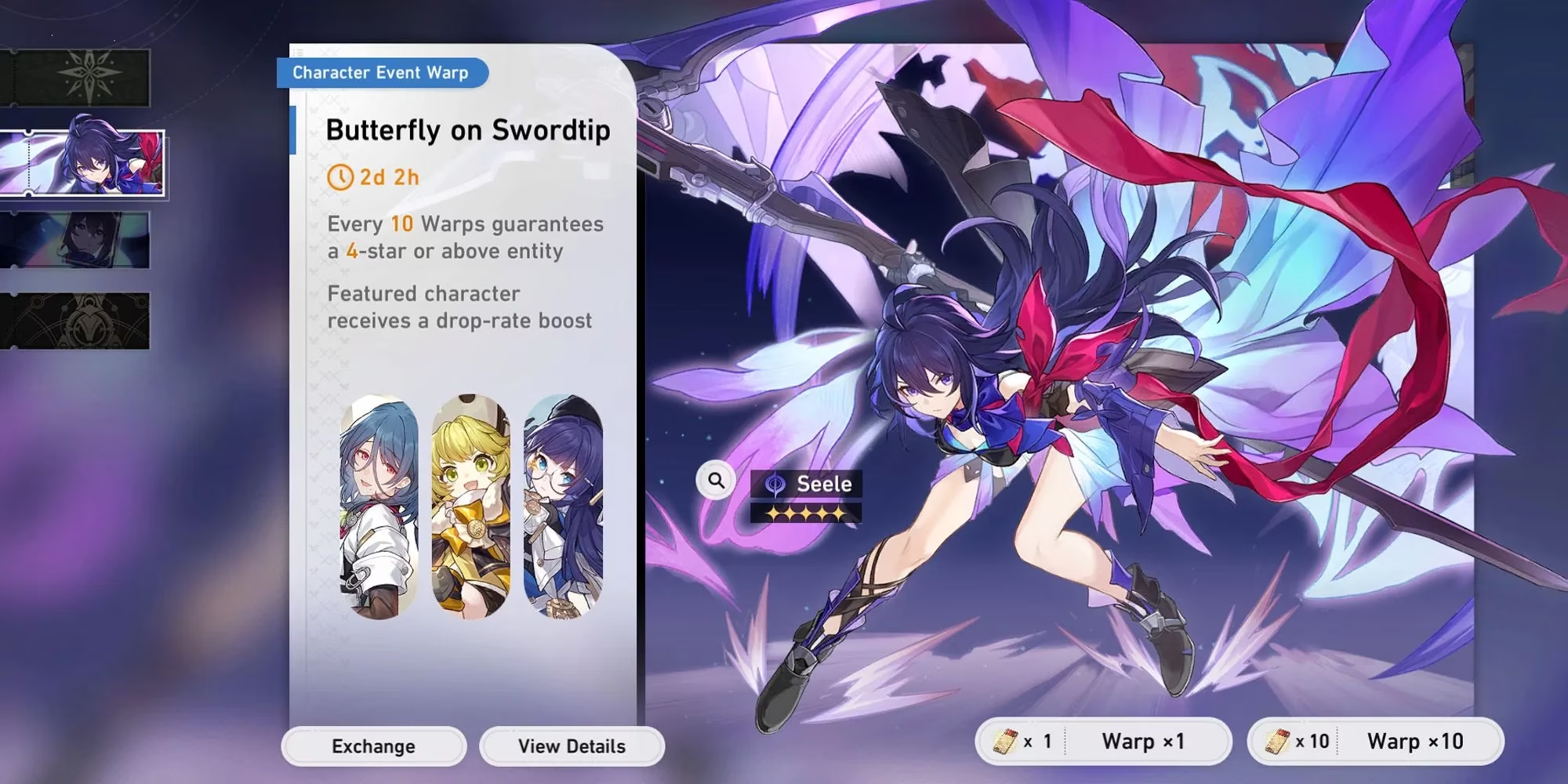
Was the community right to assume a six-week schedule? In hindsight, mostly yes. The strongest clue came from Character Event Warps, which function as the game’s character banners. Each banner phase was set to last about three weeks, and the launch banners were scheduled to give way to a new set on May 17. That clean split fit neatly into a six-week version cycle. The Nameless Honor battle pass added another signal: it lasted 40 days, which primed it to end just in time for a new update and a fresh pass. When I compared that pattern with Genshin Impact and Honkai Impact 3rd, the six-week forecast stopped looking like guesswork and started looking like a sensible player-made model.
| Signal | What it suggested in 2023 | How I read it in 2026 |
|---|---|---|
| Character Event Warps | Two three-week phases per version | A useful calendar anchor, but official notices still matter |
| Nameless Honor | 40-day battle pass | A clear end-of-cycle marker for planning |
| HoYoverse history | Similar cadence in other titles | A strong pattern, not an unbreakable law |
What 1.1 and Beyond Looked Like From Launch
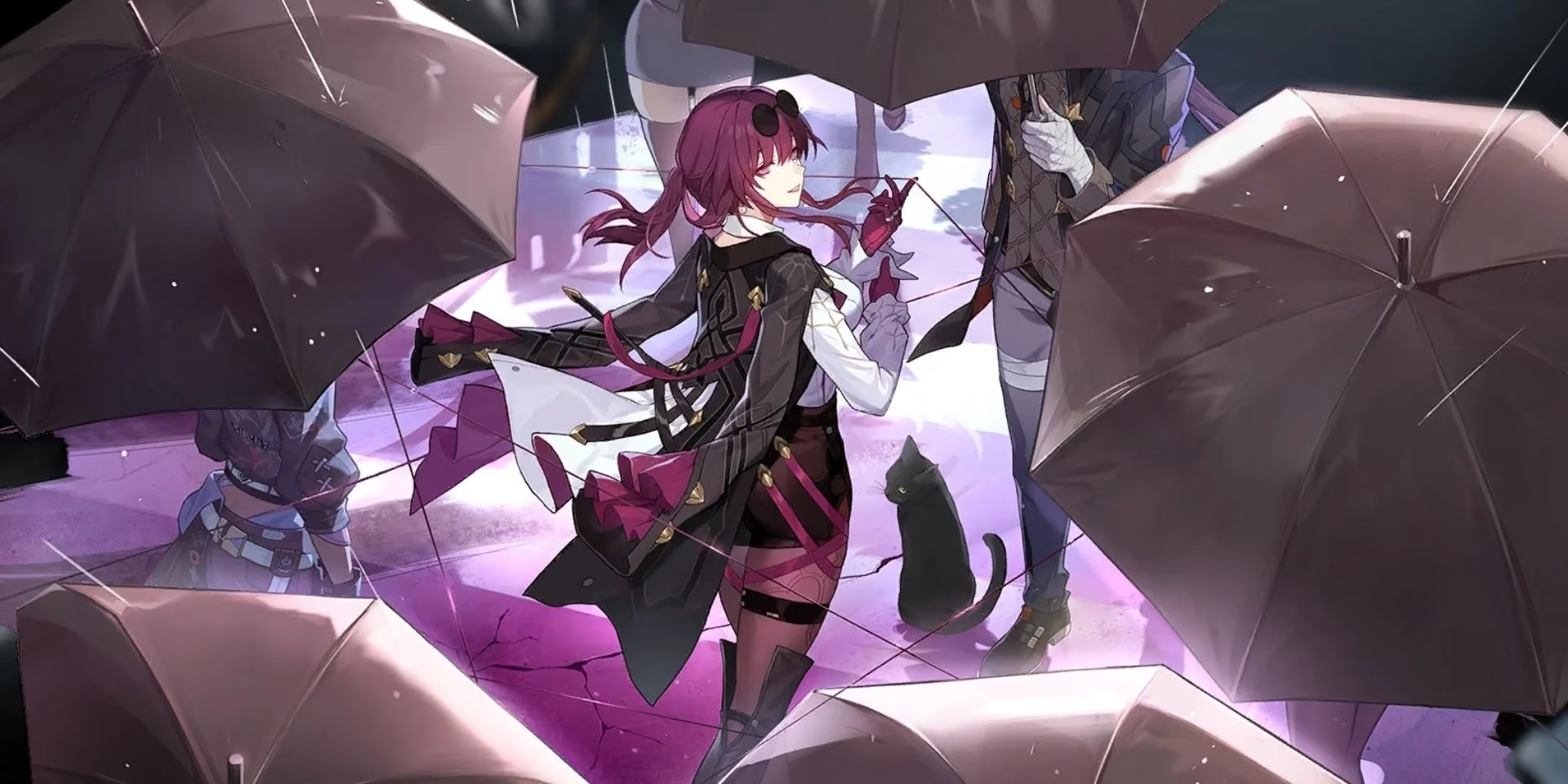
From the launch-day perspective, the forecast was exciting. Version 1.1 was expected on June 7, and leaked character information had already raised anticipation. I remember how much attention Silver Wolf received in that early period, because she represented the kind of character that could reshape team building and make the next banner phase feel like a genuine event. The schedule also pointed beyond 1.1: version 1.2 was poised to include a Kafka banner, delivering a playable character fans had wanted since her appearance in the opening sequence. A six-week cadence meant players could reasonably expect 1.2 in mid-July and 1.3 by the end of August.
That early roadmap was not official in every detail, but it was coherent. I liked that about it. It gave players a way to budget their time, save their resources, and decide whether to pull on a launch banner or wait for a character who might arrive a few weeks later. In a live-service RPG, that kind of predictability is valuable. It does not remove the excitement of a reveal, but it does make the wait feel manageable.
How I Read the Schedule in 2026
Now, in 2026, I treat the six-week rhythm as a baseline rather than a promise. Does that make the schedule less useful? Not at all. It simply means I check official livestreams and in-game notices before I make hard plans. Leaks can be right, and early banner math can be elegant, but a live game can always shift. The healthier approach is to enjoy the pattern without treating it as gospel. I still plan my battle-pass progress around the idea that a new version is coming, and I still expect version updates to arrive at a steady pace, but I leave room for surprises.
For newer players, the old 1.1 debate may feel like ancient history. Yet it explains a lot about how the community talks about Honkai: Star Rail. We count banner days. We watch battle-pass timers. We ask whether a new character will arrive in the first or second phase. That habit started early, and it stuck because the game trained us to notice its rhythms. The six-week model became a shared language, and I still find it useful when I am deciding how much time to invest in a given event or whether to save for a rerun.
My Practical Checklist
-
🗓️ Track the current event-warp phase and treat three-week blocks as the basic unit.
-
🎯 Check official announcements before committing to a banner plan.
-
🧾 Finish Nameless Honor tasks early rather than racing the reset.
-
💎 Save premium currency with a version cycle in mind, not just a single banner.
-
🚂 Enjoy the story pace; the Astral Express always has another stop coming.
The Bigger Question
Does a predictable cadence make a game better? I think it can, as long as the content still feels worth the wait. The early Honkai: Star Rail schedule suggested a future of regular updates, new characters, and fresh battle-pass cycles. In 2026, I see that promise as fulfilled in spirit, even if the details have changed. The six-week rhythm is not magic, but it is a useful compass. I will keep using it, keep checking official news, and keep enjoying the ride.